
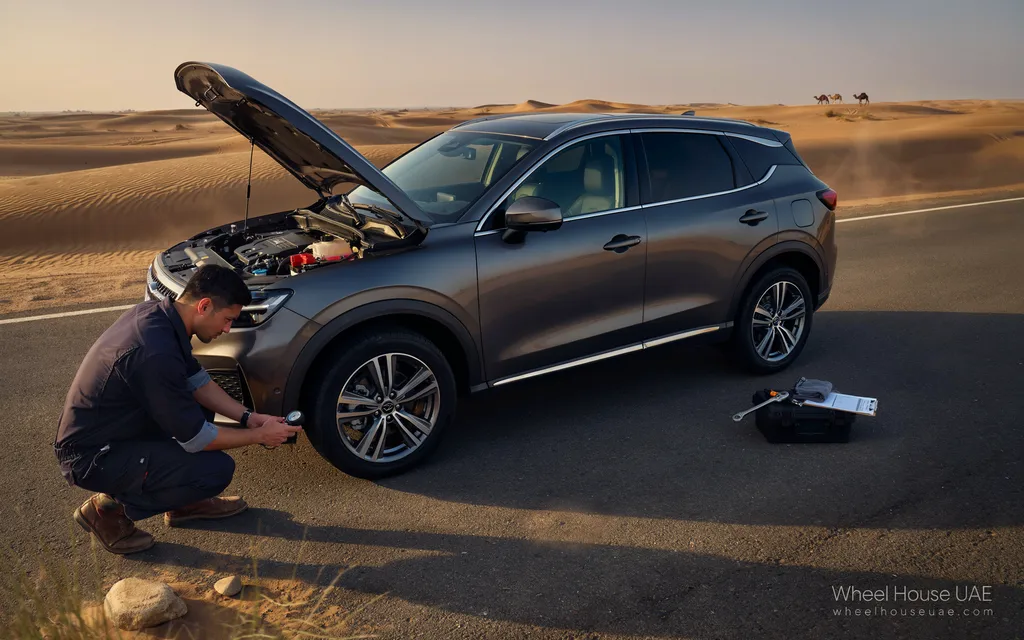
Planning a road trip across Abu Dhabi or traveling to other emirates can be exciting, but a long journey can quickly become stressful if your vehicle is not properly prepared. The extreme heat, long highways, and desert conditions of the UAE place additional pressure on your car compared to normal daily driving.
Understanding how to prepare your car for long drives in Abu Dhabi is essential for ensuring safety, avoiding breakdowns, and enjoying a smooth travel experience. Whether you are heading to Al Ain, Dubai, Fujairah, or exploring the beautiful desert landscapes, taking a few preventive measures before departure can save time, money, and inconvenience.
This comprehensive guide covers everything you need to know before starting your journey, from vehicle inspections and fluid checks to emergency preparedness and driving safety tips.
Why Preparing Your Car Before a Long Drive Is Important
Many drivers underestimate the importance of vehicle preparation before a long trip. A car that performs perfectly during short city commutes may develop issues when exposed to several hours of continuous driving.
Abu Dhabi’s climate can be particularly demanding on engines, batteries, cooling systems, and tires. High temperatures increase the risk of overheating, tire blowouts, and battery failures. Proper preparation helps identify potential problems early, reducing the chances of unexpected breakdowns on the road.
Regular inspections also improve fuel efficiency, enhance safety, and provide peace of mind throughout your journey.
Quick Checklist for Long Drive Preparation
Before hitting the road, make sure you complete the following checks:
Essential Vehicle Inspection Checklist
- Check engine oil level
- Inspect coolant level
- Test battery condition
- Examine tire pressure
- Check tire tread depth
- Inspect brake system
- Verify windshield washer fluid
- Test headlights and indicators
- Check air conditioning performance
- Ensure emergency kit is available
Step by Step Guide to Prepare Your Car for Long Drives in Abu Dhabi
Step 1 Check Engine Oil and Fluids
Engine oil plays a critical role in lubricating engine components and preventing excessive wear. Long-distance driving increases engine workload, making proper lubrication even more important.
Inspect the following fluids before departure:
| Fluid | Purpose | Recommended Check |
|---|---|---|
| Engine Oil | Lubrication | Check level and quality |
| Coolant | Temperature control | Ensure proper level |
| Brake Fluid | Braking performance | Check reservoir |
| Transmission Fluid | Smooth shifting | Inspect condition |
| Power Steering Fluid | Steering assistance | Verify level |
| Washer Fluid | Visibility | Refill if necessary |
If any fluid appears dirty, low, or contaminated, replace it before your trip.
Step 2 Inspect the Cooling System
The cooling system is one of the most important components for driving in Abu Dhabi’s hot climate.
A failing radiator, damaged hose, or low coolant level can cause engine overheating within minutes. Inspect all cooling system components carefully and ensure there are no leaks.
Signs of cooling system problems include:
- Rising temperature gauge
- Coolant leaks
- Steam from the engine
- Sweet smell from under the hood
Address any issues immediately before beginning a long journey.
Step 3 Examine Your Tires Carefully
Tires are your vehicle’s only contact with the road, making them crucial for safety.
Check for:
- Uneven wear
- Cracks or damage
- Low tread depth
- Proper inflation
Driving with underinflated tires in hot weather increases the risk of blowouts. Always follow the manufacturer’s recommended tire pressure.
Tire Inspection Table
| Tire Component | What to Check |
| Tire Pressure | Correct PSI |
| Tread Depth | Adequate grip |
| Sidewalls | No cracks or bulges |
| Spare Tire | Fully inflated |
| Wheel Alignment | No pulling while driving |
Step 4 Test the Battery
Extreme UAE temperatures can significantly shorten battery life.
If your battery is more than two years old, consider having it tested professionally. Corroded terminals, slow engine cranking, or dim lights may indicate a weak battery.
A healthy battery reduces the risk of being stranded during your trip.
Check the Brake System Thoroughly
Brakes are critical for highway safety and emergency situations.
Inspect:
- Brake pads
- Brake rotors
- Brake fluid level
- Brake responsiveness
If you notice squeaking, grinding, vibration, or reduced stopping power, schedule maintenance before traveling.
Driving long distances with worn brakes can be extremely dangerous.
Ensure the Air Conditioning System Is Working Properly
A functional air conditioning system is more than a comfort feature in Abu Dhabi. It helps drivers remain alert and comfortable during long hours on the road.
Before departure:
- Test cooling performance
- Check cabin air filters
- Inspect refrigerant levels
- Listen for unusual noises
A properly functioning AC system contributes to a safer driving experience.
Prepare an Emergency Roadside Kit
Unexpected situations can occur even with a well-maintained vehicle.
Essential Emergency Items
- First aid kit
- Flashlight
- Jumper cables
- Tire inflator
- Tire pressure gauge
- Drinking water
- Mobile phone charger
- Reflective warning triangle
- Basic tools
- Emergency contact numbers
Having these items available can make a significant difference during emergencies.
Check Lights and Visibility Systems
Visibility is essential for safe driving, especially during night travel.
Inspect:
- Headlights
- Brake lights
- Fog lights
- Turn signals
- Hazard lights
- Windshield wipers
Replace faulty bulbs immediately and clean all lights for maximum visibility.
Plan Your Route Before Departure
Route planning reduces stress and helps avoid unnecessary delays.
Before starting your journey:
- Check traffic conditions
- Monitor weather forecasts
- Identify fuel stations
- Locate rest stops
- Save offline maps
Proper planning allows you to focus on driving rather than navigation issues.
Fuel Efficiency Tips for Long Drives
Improving fuel efficiency helps reduce travel costs and vehicle strain.
Best Practices
- Maintain proper tire pressure
- Avoid excessive speeding
- Remove unnecessary cargo
- Use cruise control when appropriate
- Keep up with vehicle maintenance
Small adjustments can significantly improve fuel economy during long trips.
Common Mistakes Drivers Make Before Long Trips
Many vehicle problems occur because of simple oversights.
Avoid These Mistakes
- Ignoring tire pressure checks
- Skipping coolant inspection
- Delaying oil changes
- Forgetting the spare tire
- Driving with a weak battery
- Overloading the vehicle
- Neglecting brake inspections
Preventing these mistakes can save both time and money.
Long Drive Safety Tips in Abu Dhabi
Safe driving habits are just as important as vehicle preparation.
Follow These Safety Recommendations
- Take breaks every two hours
- Stay hydrated
- Avoid distracted driving
- Maintain safe following distances
- Follow speed limits
- Monitor vehicle temperature gauges
- Avoid driving while fatigued
These practices help ensure a safe and enjoyable journey.
Frequently Asked Questions
How should I prepare my car for a long drive in Abu Dhabi?
Check engine oil, coolant, tires, brakes, battery, lights, and air conditioning. Carry an emergency kit and ensure all maintenance is up to date.
What is the most important thing to check before a road trip?
The cooling system and tires are among the most important components because Abu Dhabi’s high temperatures can increase the risk of overheating and tire failure.
Should I service my car before a long trip?
Yes. If your vehicle is due for maintenance or has not been inspected recently, scheduling a service before traveling is highly recommended.
How often should I check tire pressure during a road trip?
Check tire pressure before departure and during longer trips whenever possible, especially during hot weather.
What should I keep in my emergency roadside kit?
Carry water, a first aid kit, flashlight, jumper cables, tire inflator, phone charger, warning triangle, and basic repair tools.
Can hot weather affect my car battery?
Yes. High temperatures can shorten battery lifespan and increase the likelihood of battery failure.
Final Thoughts on How to Prepare Your Car for Long Drives in Abu Dhabi
Knowing how to prepare your car for long drives in Abu Dhabi is essential for safe, comfortable, and stress-free travel. Proper vehicle preparation helps prevent breakdowns, improves fuel efficiency, protects passengers, and reduces costly repairs.
Before every long journey, inspect your tires, battery, brakes, cooling system, fluids, and safety equipment. A few minutes spent preparing your vehicle can prevent hours of inconvenience on the road.
If your car has not been professionally inspected recently, schedule a comprehensive vehicle check today and travel with complete confidence on every long drive across Abu Dhabi.