
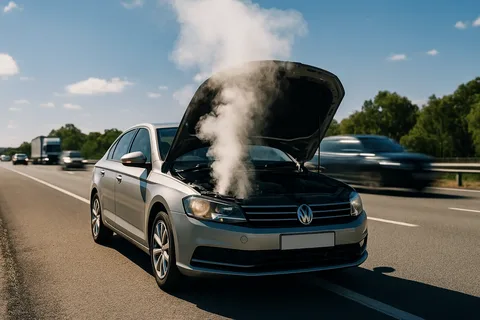
Driving in Abu Dhabi means dealing with high temperatures, busy roads, long commutes, and frequent stop-and-go traffic. These conditions can put extra pressure on your vehicle’s cooling system. If you notice the temperature gauge rising, steam coming from under the bonnet, or your engine warning light appearing, you may be wondering: why is my car overheating in Abu Dhabi?
Car overheating is not something to ignore. A small cooling-system problem can quickly become serious engine damage if you continue driving. Understanding the common causes and knowing what to do can help you protect your vehicle and avoid expensive repairs.
Why Is My Car Overheating in Abu Dhabi?
Abu Dhabi’s hot climate can make an existing cooling-system problem more noticeable. Your engine naturally produces heat while running, and the cooling system is responsible for controlling that temperature.
During hot weather, heavy traffic and extended use of the air conditioner can place additional demands on the cooling system. Dust and sand can also accumulate around radiator and condenser surfaces, affecting airflow.
A healthy vehicle should still maintain a safe operating temperature. If your car starts overheating, there is usually an underlying issue that needs attention.
Common Causes of Car Overheating in Abu Dhabi

1. Low Coolant or a Coolant Leak
Coolant absorbs heat from the engine and carries it to the radiator. If the coolant level becomes too low, the system may not be able to remove enough heat.
A low coolant level can be caused by a leaking hose, radiator, water pump, reservoir, or another cooling-system component. Signs may include a sweet smell, visible fluid under the car, or repeatedly needing to top up the coolant.
Never assume that adding coolant has solved the problem. If the level keeps dropping, the source of the leak should be inspected.
2. Faulty Radiator
The radiator plays a major role in transferring heat away from the engine. External dirt, dust, and debris can restrict airflow, while internal deposits can reduce coolant circulation.
This can become particularly noticeable in Abu Dhabi traffic, where the vehicle receives less natural airflow. A radiator that is blocked, damaged, or leaking may need professional inspection or replacement.
3. Cooling Fan Failure
Your cooling fan helps move air through the radiator, especially when the car is stationary or moving slowly. If the fan motor, relay, fuse, wiring, or control system fails, engine temperature can rise during traffic.
One common warning sign is a vehicle that remains at a normal temperature on the highway but starts getting hot while idling or sitting in congested traffic.
4. Faulty Thermostat
The thermostat controls the flow of coolant between the engine and radiator. If it becomes stuck or fails to operate correctly, coolant may not circulate as it should.
A faulty thermostat can cause the temperature gauge to rise quickly or fluctuate unexpectedly. In Abu Dhabi’s hot conditions, this problem can become more serious if it is left untreated.
5. Water Pump Problems
The water pump circulates coolant through the engine and cooling system. If the pump is worn, damaged, or leaking, coolant circulation can be reduced.
A failing water pump may cause overheating, coolant leaks, unusual noises, or temperature fluctuations. Because water pump problems can lead to significant engine damage, professional diagnosis is recommended.
6. Engine Oil Problems
Engine oil does more than lubricate moving components. It also helps manage heat inside the engine. Low oil levels, incorrect oil, or severely degraded oil can increase friction and contribute to excessive engine temperature.
Regularly checking your oil level and following the manufacturer’s recommended oil specification can help support proper engine operation.
What Are the Warning Signs of an Overheating Car?
Knowing the early warning signs can help you react before the problem becomes severe. Watch for:
- Temperature gauge moving higher than normal
- Engine temperature warning light
- Steam or smoke from under the bonnet
- Unusual burning or coolant smell
- Coolant leaking beneath the vehicle
- Reduced engine performance
- Air conditioning becoming less effective
If the temperature gauge suddenly rises into the red zone, do not continue driving simply because the car still appears to run normally.
What Should You Do If Your Car Overheats?
If your car starts overheating in Abu Dhabi, pull over somewhere safe as soon as possible. Switch off the engine and allow it to cool down.
Do not immediately open the radiator or coolant reservoir while the engine is hot. Pressurised coolant can cause serious burns. Once the vehicle has cooled sufficiently, arrange professional assistance rather than continuing your journey if the cause is unknown.
A workshop can inspect the cooling system, check for leaks, test the radiator and cooling fan, and diagnose thermostat or water pump problems. Another useful UAE-focused resource is available from Swiss Auto Xpress.
How Can You Prevent Car Overheating in Abu Dhabi?

Prevention is usually easier and less expensive than dealing with major engine damage. Make cooling-system checks part of your regular vehicle care.
Check the coolant level according to the manufacturer’s recommendations and look for signs of leaks. Keep the radiator and surrounding areas free from excessive dust and debris. Pay attention to changes in your temperature gauge and never ignore repeated overheating.
Your vehicle’s air conditioning system can also place additional demands on the car during Abu Dhabi’s hot weather. If your AC is not performing properly, you can learn more about potential issues and repair costs in our guide to car AC repair costs in Abu Dhabi.
Regular professional inspections are also useful when your vehicle begins showing unusual temperature behaviour.
When Should You Visit an Auto Repair Workshop?
You should arrange a professional inspection if your vehicle overheats repeatedly, loses coolant, develops unusual engine noises, or shows temperature fluctuations.
Do not rely on repeatedly topping up coolant without finding the underlying cause. A professional technician can identify whether the problem is related to the radiator, fan, thermostat, water pump, hoses, coolant, or another engine component.
For general vehicle safety, it is also important to monitor other areas of your car. Issues such as poor wheel alignment can affect handling and tyre wear, so you can also learn more through our guide to wheel alignment in Abu Dhabi.
Conclusion
If you are asking why is my car overheating in Abu Dhabi, the answer can range from low coolant and radiator problems to cooling fan, thermostat, water pump, or engine oil issues. Abu Dhabi’s heat and traffic can make these problems more noticeable, but overheating should never be treated as a normal part of driving.
Acting quickly when you notice warning signs can help prevent serious engine damage. If your temperature gauge rises, stop safely, allow the vehicle to cool, and have the cooling system professionally inspected. Keeping your car’s cooling system in good condition is one of the best ways to enjoy safer and more reliable driving in Abu Dhabi.
For additional information about overheating in Abu Dhabi traffic, you can also read this external guide from Vehicle Batteries Replacement Auto ACare.
Frequently Asked Questions
Why does my car overheat in Abu Dhabi traffic?
Slow-moving traffic reduces natural airflow through the radiator. If the cooling fan, radiator, coolant level, or another component has a problem, engine temperature can rise more quickly while the car is stationary.
Can low coolant cause my car to overheat?
Yes. Low coolant reduces the system’s ability to absorb and transfer heat away from the engine. If coolant keeps disappearing, there may be an underlying leak that needs professional inspection.
Can a faulty AC cause a car to overheat?
A properly functioning vehicle should handle normal AC use. However, AC operation adds load and heat to the system, so an existing cooling-system weakness may become more noticeable when the AC is running in hot weather.
Is it safe to drive an overheating car?
No. Continuing to drive while the engine is overheating can turn a cooling-system problem into serious engine damage. Stop safely, switch off the engine, let it cool, and arrange a professional inspection.